
The Role of Luck in Gambling
Luck is often regarded as a pivotal factor in the world of gambling. Many people head to casinos with the belief that a bit of good fortune can significantly impact their chances of winning. The randomness of games like slots, roulette, and blackjack seems to amplify this idea; every spin of the wheel or card drawn carries the potential for a monumental shift in fortune. This randomness creates a thrilling atmosphere where players hope that luck will be on their side, especially when they enjoy a fast paypal withdrawal casino experience that influences their overall success.
However, pondering the extent of luck’s influence raises essential questions about skill and strategy. For instance, while some games are purely based on chance, others like poker require a combination of both luck and skill. A skilled player may not win every hand, but their understanding of the game can offset the luck factor, leading to more consistent success over time. Thus, luck contributes to the thrill but doesn’t entirely dictate outcomes, especially in games involving strategy.
Moreover, psychological aspects also play a crucial role in how luck is perceived in the casino. Players often attribute their wins to ‘good luck’ and their losses to ‘bad luck,’ framing their experiences in a way that justifies their outcomes. This cognitive bias can affect future betting behavior, leading individuals to make decisions based on perceived luck rather than sound strategies. Understanding this psychological dimension can help players navigate the highs and lows more effectively.
Statistical Odds versus Luck
In the realm of gambling, statistical odds create an underlying framework that often contradicts the notion of luck as the sole driver of success. Every game has its own house edge, which is the statistical advantage that the casino holds over players. For example, in games like blackjack, skilled players can employ strategies to minimize the house edge, subtly shifting the odds in their favor. This illustrates how, while luck plays a role, understanding the mechanics of the game can lead to better outcomes.
Moreover, games that rely on a significant amount of strategy often see a more pronounced difference between luck and skill. The odds might suggest that players have a certain percentage chance of winning, but knowledgeable players can exploit the rules and strategies to enhance their performance. This shows that while luck can be a catalyst for immediate wins, strategic thinking and knowledge are critical in maximizing long-term success.
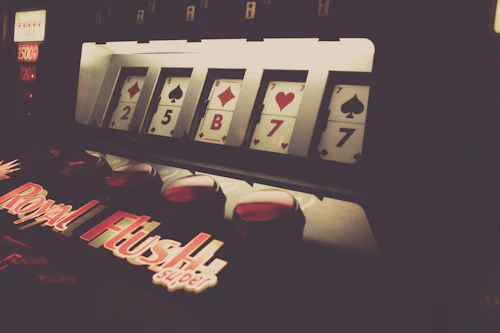
It’s important to note that luck can influence outcomes in ways that are not always evident. For instance, a player may land on a favorable game or find a loose slot machine simply by chance. These moments can create the illusion that luck is the primary factor in success. However, when examining the broader landscape of gambling, it becomes clear that understanding the odds and employing effective strategies is crucial for achieving sustained success, transcending the role of luck.
The Social Aspect of Luck in Gambling
The social environment of a casino can significantly impact perceptions of luck. Players often share stories of lucky streaks and improbable wins, creating a culture where luck is celebrated and sought after. This communal aspect builds a narrative where luck becomes a shared experience, reinforcing the idea that it can influence success at the casino. The excitement of winning among peers can enhance the overall gambling experience, encouraging others to believe that luck can also shine on them.
Additionally, the social aspect can lead to superstitions and rituals among players. Many gamblers adopt specific behaviors or routines they believe will bring good luck. This might include wearing lucky charms, following specific betting patterns, or even choosing particular times to play. While such practices may seem irrational, they highlight how critical the perception of luck is within the gambling community, often motivating players to engage deeply with their experiences at the casino.
Furthermore, the interaction between players can influence feelings of luck. For instance, a player on a winning streak might encourage others to join their table, leading to a collective belief in the power of luck. Conversely, a string of losses can dampen the spirits of those around, affecting their perception of luck negatively. This social influence illustrates that luck is not just an individual experience but also a communal phenomenon that shapes the overall casino atmosphere.
Can Luck Be Controlled?
One of the most intriguing questions surrounding luck in the casino is whether it can be controlled or influenced. While many believe that specific actions can attract good luck, such as selecting certain slot machines or using particular strategies, the truth is that luck remains fundamentally random. While players may develop rituals or habits they believe enhance their luck, the outcomes are still governed by chance. This distinction is vital for managing expectations and understanding the nature of gambling.

However, there are ways players can enhance their overall experience and potentially influence their perception of luck. For instance, maintaining a positive mindset can lead to better decision-making and reduce emotional bias during play. A player who feels confident and optimistic about their chances may be more inclined to stay engaged and make strategic bets rather than succumbing to frustration after losses. Such mental and emotional factors can create an environment where players feel luckier, even if the randomness of the games remains unchanged.
Moreover, understanding and accepting the role of luck in gambling can lead to more responsible gaming. By recognizing that luck is unpredictable, players can set boundaries and avoid chasing losses, which is a common pitfall. Developing a healthy relationship with luck allows individuals to enjoy the excitement of the casino without falling into the trap of believing that luck is solely responsible for their success or failure.
The Influence of Online Resources
As the gambling landscape evolves, online resources play an essential role in helping players understand the dynamics of luck and strategy. Many websites and forums provide insights into game odds, strategies, and player experiences, fostering a deeper understanding of how luck intertwines with skill. This access to information empowers players to make informed decisions, increasing their chances of success while still acknowledging the element of luck.
Online resources also facilitate discussions around the psychological aspects of luck in gambling. By sharing experiences and learning from others, players can gain new perspectives on how to approach gambling. This exchange of ideas can help individuals navigate their own luck-related beliefs, ultimately leading to a more balanced viewpoint that incorporates both luck and strategy.
In conclusion, while luck undoubtedly plays a role in gambling, it should be considered alongside knowledge of game mechanics and responsible play. By leveraging online resources, players can refine their skills and better understand the role of luck in their gaming experiences. This holistic approach not only enhances players’ enjoyment but also supports their journey towards becoming more successful gamblers.