

Online forex trading has transformed the financial landscape, offering opportunities for individuals around the world to participate in the highly liquid foreign exchange market. With the rise of technology, traders can now execute trades from the comfort of their homes or on-the-go. As you embark on your forex trading journey, it is crucial to understand various aspects of this complex field. For a reliable start, consider checking out online forex trading South Africa Brokers. This article delves into the fundamentals of online forex trading, outlining strategies, the choice of forex brokers, risk management practices, and psychological factors that could impact your trading success.
Understanding Forex Trading
The foreign exchange market, or forex, is a global marketplace where currencies are traded. Unlike stock markets, the forex market operates 24 hours a day, five days a week, accommodating traders from different time zones. Understanding how forex trading works is key for both novice and experienced traders. The market involves trading currency pairs, whereby one currency is exchanged for another. The value of these currency pairs fluctuates based on various factors, including economic indicators, geopolitical events, and market sentiment.
Choosing the Right Forex Broker
Selecting a reputable forex broker is essential for successful trading. Your broker acts as an intermediary between you and the forex market, making their reliability and offerings critical. Here are some tips on how to choose the right broker:
- Regulation: Ensure the broker is regulated by reputable authorities in your region.
- Trading Platform: Look for a user-friendly platform that suits your trading style. Popular platforms include MetaTrader 4 and 5.
- Account Types: Different brokers offer various account types. Choose one that fits your trading volume and strategy.
- Spreads and Fees: Compare spreads and commissions. Lower fees can significantly impact your trading profit.
- Customer Support: Reliable customer service is essential, especially when you encounter issues.
Forex Trading Strategies
Effective trading strategies can help you navigate the forex market. Below are some of the most commonly used strategies:
1. Day Trading
Day trading involves buying and selling currencies within the same trading day. Day traders profit from small price movements, requiring significant time commitment and market analysis.
2. Swing Trading
Swing trading targets “swings” in the market, with positions held for several days to weeks. This strategy demands a balance between fundamental and technical analysis.
3. Scalping
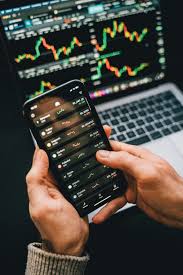
Scalping is a short-term strategy aimed at profiting from small price changes. Scalpers make many trades throughout the day, holding positions for mere minutes.
4. Position Trading
Position trading is a long-term strategy where traders hold onto their positions for extended periods, sometimes for months or even years, focusing more on fundamental analysis.
Risk Management in Forex Trading
One of the most crucial aspects of trading is risk management. Effective risk management helps protect your capital and reduce emotional stress during trades. Consider the following practices:
- Set Stop-Loss Orders: A stop-loss order automatically closes a position at a predetermined price to limit potential losses.
- Risk-to-Reward Ratio: Ensuring a favorable risk-to-reward ratio lets you know how much you stand to gain versus what you could lose.
- Position Sizing: Decide in advance how much of your capital you are willing to risk on a single trade to avoid significant losses.
The Psychology of Forex Trading
Trading psychology plays a vital role in the success of a forex trader. Emotional factors such as fear, greed, and anxiety can influence decision-making, often leading to losses. Here are some psychological tips for traders:
- Stay Disciplined: Stick to your trading plan and avoid impulsive decisions.
- Maintain a Trading Journal: Document your trades for reflection to identify patterns and areas for improvement.
- Practice Patience: Resist the urge to chase trades. Sometimes, waiting for the right opportunity is the best strategy.
Use of Technology in Forex Trading
The advancement of technology has revolutionized forex trading. Nowadays, traders have access to various tools and resources that enhance their trading experience. Here are some ways technology helps traders:
- Automated Trading Systems: Automated trading, or algorithmic trading, uses programs to execute trades based on predefined criteria, allowing for faster decision-making.
- Trading Signals and Alerts: Many platforms offer signals and alerts that notify traders when specific market conditions arise, enabling quick action.
- Mobile Trading Applications: Mobile apps allow traders to manage their accounts on-the-go, ensuring they never miss out on potential opportunities.
Conclusion
Online forex trading presents an exciting opportunity to engage with one of the most dynamic financial markets in the world. By understanding the fundamentals, developing effective strategies, implementing risk management techniques, and maintaining psychological discipline, traders can increase their likelihood of success. As you venture into forex trading, continue to educate yourself and stay informed about market trends and developments. Remember, consistency, patience, and knowledge are your best allies on this journey.